Unlocking Academic Excellence: Innovative Strategies for Primary Education Success
In the rapidly evolving landscape of primary education, the way we approach child education must shift to keep pace with the needs and interests of young learners. Today, educators are tasked not just with delivering content, but with making that content come alive through engaging classroom activities. As we stand at the intersection of curriculum design and interactive learning, the imperative for innovative teaching strategies has never been more significant. What if we could transform the academic experience for our students in such a way that they not only learn but truly thrive?
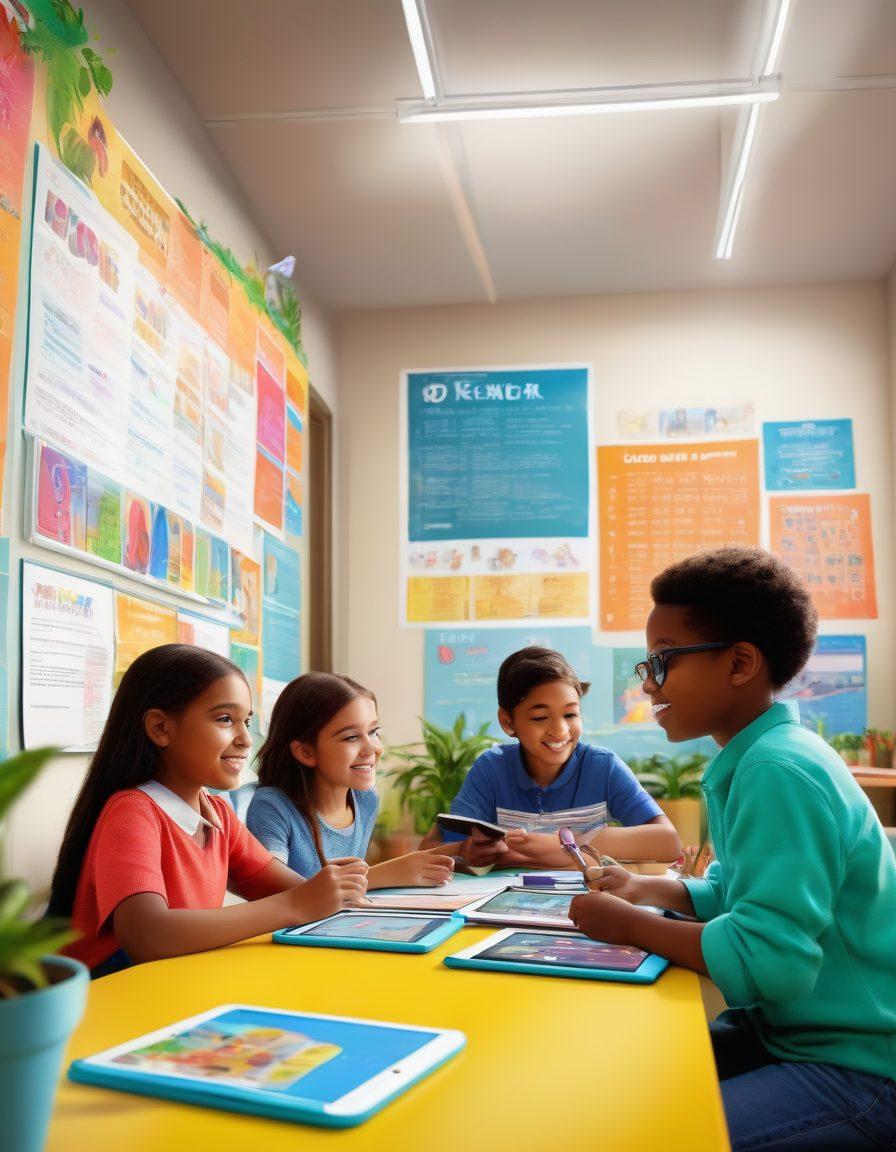
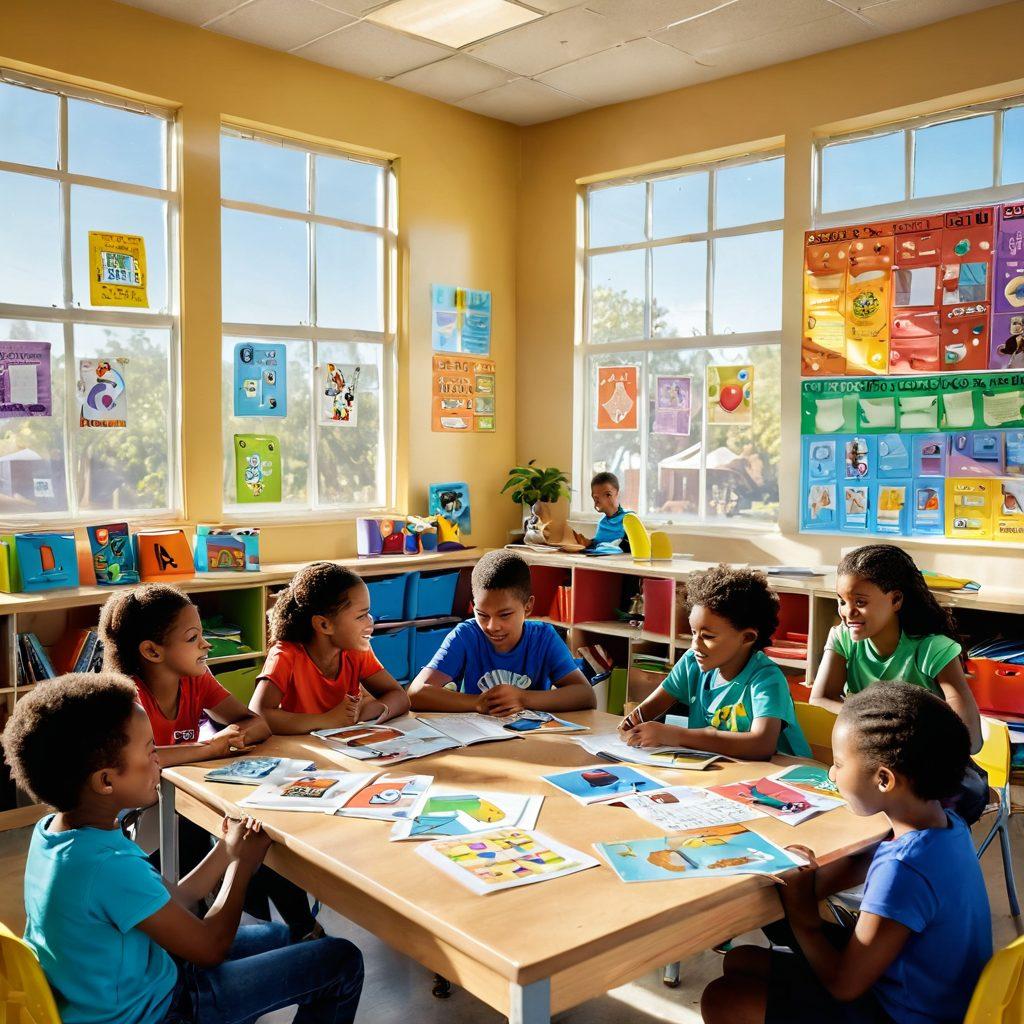
Imagine walking into a classroom buzzing with excitement, where students are deeply engrossed in hands-on activities tailored to their needs. This isn’t just a dream—it's the reality fostered by dynamic learning materials and educational resources designed for effective student support. Interactive learning activities not only enhance academic development but also nurture critical skills like teamwork, communication, and problem-solving. Isn't it time we make our classrooms a hub of creativity and curiosity?
One powerful approach to engage young minds is the integration of thematic units—where subjects like math, science, and literature come together under a common theme. For example, a unit on oceans could weave in stories from various cultures, dive into scientific discoveries about marine life, and compute the measurements of sea creatures. This type of personalized learning provides context and relevance, making knowledge development not just an academic exercise, but a real-world experience. Just think about the profound impact on student engagement when learning feels connected to their own lives!
Furthermore, the school community plays a crucial role in shaping the educational landscape. Collaboration between teachers and parents, for instance, can significantly improve education programs and student support initiatives. Regular workshops can equip parents with the knowledge and resources to reinforce learning at home, creating a circle of support that extends beyond the classroom. How can educators and families work together to ensure that every child reaches their fullest potential?
In conclusion, transforming primary education requires a conscious shift in classroom activities and teaching strategies. It calls for an embrace of innovation, adaptability, and a willingness to reimagine the educational experience. By harnessing creative resources and focusing on engaging, interactive approaches, educators can truly spark a passion for learning in their students. Let's unlock the door to academic excellence by cultivating a vibrant and nurturing environment that promotes curiosity and joy in learning. After all, every child deserves the chance to shine!
Innovative Teaching Strategies: Empowering Educators and Students Alike
In the rapidly evolving landscape of child education, innovative teaching strategies have become the heartbeat of primary education. Imagine a classroom where the chatter of excited students fills the air, their eyes sparkling with curiosity. That’s the vision educators strive for, and it all begins with empowering both teachers and students alike. As we delve into the world of educational resources and dynamic teaching strategies, it’s essential to consider how these practices can not only inspire learners but also contribute to academic excellence across the school community.
Every child is a unique puzzle waiting to be solved, and tailored learning strategies can provide those necessary pieces. When designing a curriculum that embraces personalized learning, educators must tap into various learning materials and classroom activities that resonate with each student's interests and strengths. Ask yourself: How often do we create opportunities for student engagement that go beyond the typical textbook methods? By leveraging interactive learning techniques, teachers can bridge the gap between academic development and real-world applications, making education both relevant and impactful.
Imagine walking into a classroom where students are actively collaborating on projects, sharing knowledge, and supporting one another's growth. Such a rich atmosphere doesn’t happen by accident; it requires deliberate educator support and a commitment to fostering a culture of collaboration. Programs that emphasize teamwork not only enhance learning experiences but also prepare students for future social and professional interactions. As educators, we hold the key to transforming the traditional classroom experience into a thriving hub of creativity and inquiry.
Additionally, the integration of technology into primary education can revolutionize the way students engage with content. Digital platforms offer a wealth of interactive learning tools that can enhance student support and allow for deeper knowledge development. But with great power comes great responsibility. Are educators equipped with the necessary teacher resources to effectively implement these innovative strategies? Training and professional development programs are crucial in ensuring that teachers feel confident and competent in using new technologies as part of their teaching toolkit.
Finally, let’s not forget the importance of community in the success of education programs. Building a school improvement mindset requires open communication between educators, parents, and local organizations. Together, we can align our efforts to create enriching educational environments that nurture young minds. The journey towards academic excellence is not solely the responsibility of teachers but rather a collaborative endeavor that includes everyone in the school community. So, how can we continue to innovate and adapt our strategies for a brighter educational future?
Building a Strong Foundation: Resources for Academic Success in Primary Education
When it comes to child education, we often hear about the importance of building a solid foundation during primary education. But what does that truly mean? As educators, parents, and members of the school community, nurturing a child's early years means equipping them with the right educational resources and support to excel as they grow older. It’s about more than merely ticking off boxes in a curriculum design; it’s about sparking a lifelong love of learning and curiosity, igniting that flame of academic excellence at the very onset of their educational journey.
Imagine a classroom where every child feels engaged and excited to learn. Picture your child picking up a book, not because they have to, but because they want to. This dream can become a reality by utilizing innovative learning materials and interactive learning strategies tailored to young minds. From hands-on activities to digital platforms, implementing diverse teaching strategies can enhance student engagement and understanding, making learning an adventure rather than a chore. As Albert Einstein once said, 'The important thing is not to stop questioning. Curiosity has its own reason for existing.' Let’s make sure our classrooms embody this spirit of inquiry.
The journey toward academic development doesn't happen in a vacuum; it thrives alongside supportive student environments. More than just teachers leading the class, it's crucial to foster a school improvement ethos where everyone feels empowered to contribute. Educator support is essential to this mission. Open lines of communication between parents, teachers, and students create a nurturing ecosystem that encourages knowledge development. Why not start team discussions in your school community about collaboratively supporting every learner's unique path? Together, we can create tailored education programs that resonate with the hearts and minds of our young learners.
We all have our favorite stories about classroom activities that transformed a dull lesson into a memorable experience. Perhaps it was a creative project that brought history to life or a mathematical scavenger hunt outdoors. These engaging moments are not just fun; they are vital learning strategies that help solidify new concepts in children's minds. By incorporating varied teaching methods and learning strategies, we can personalize learning experiences to meet the diverse needs of every student in primary education. After all, one size does not fit all in child education, and that’s what makes teaching so wonderfully complex.
As we ponder over how to shape the next generation's learning experiences, let’s focus on crafting an environment where every child feels valued and impactful. The aim is clear: to cultivate not just academic success but well-rounded individuals ready to face the world. By tapping into effective teacher resources and actively involving ourselves in their educational journey, we contribute to a powerful legacy of educational excellence. Remember, the seeds we plant today in our classrooms and communities will blossom into the leaders of tomorrow. Isn't it time we devoted ourselves wholeheartedly to our children’s educational foundation?